









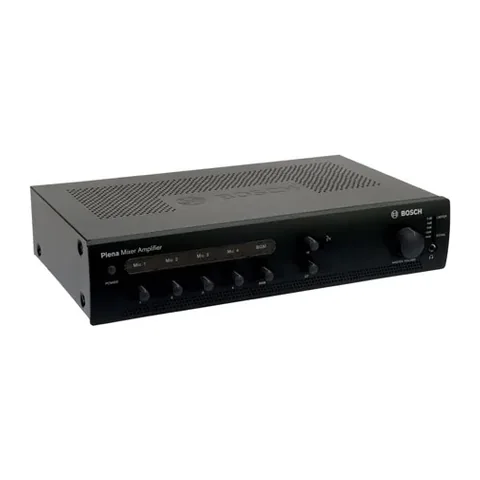
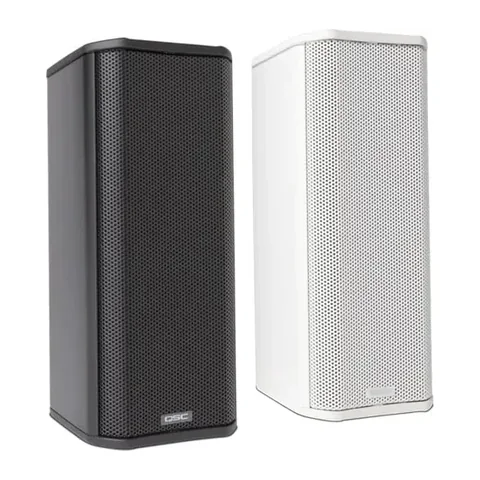
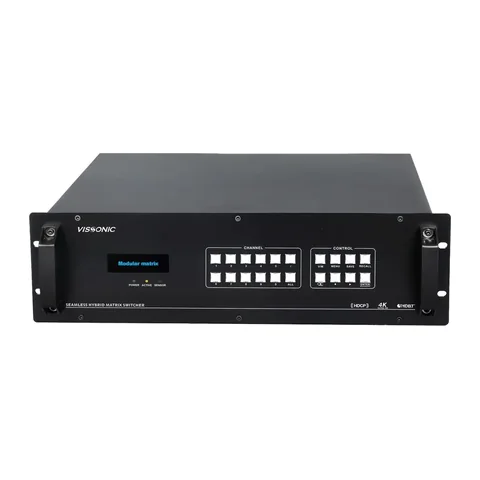
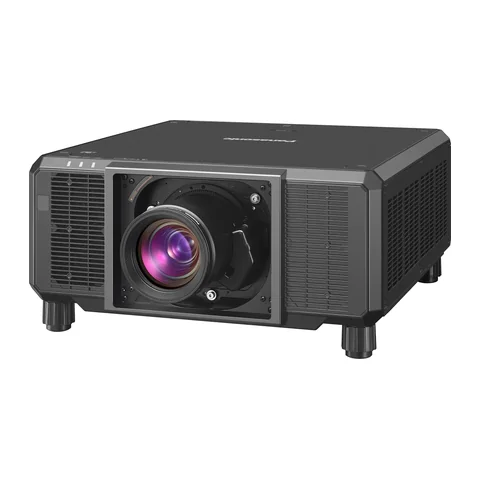

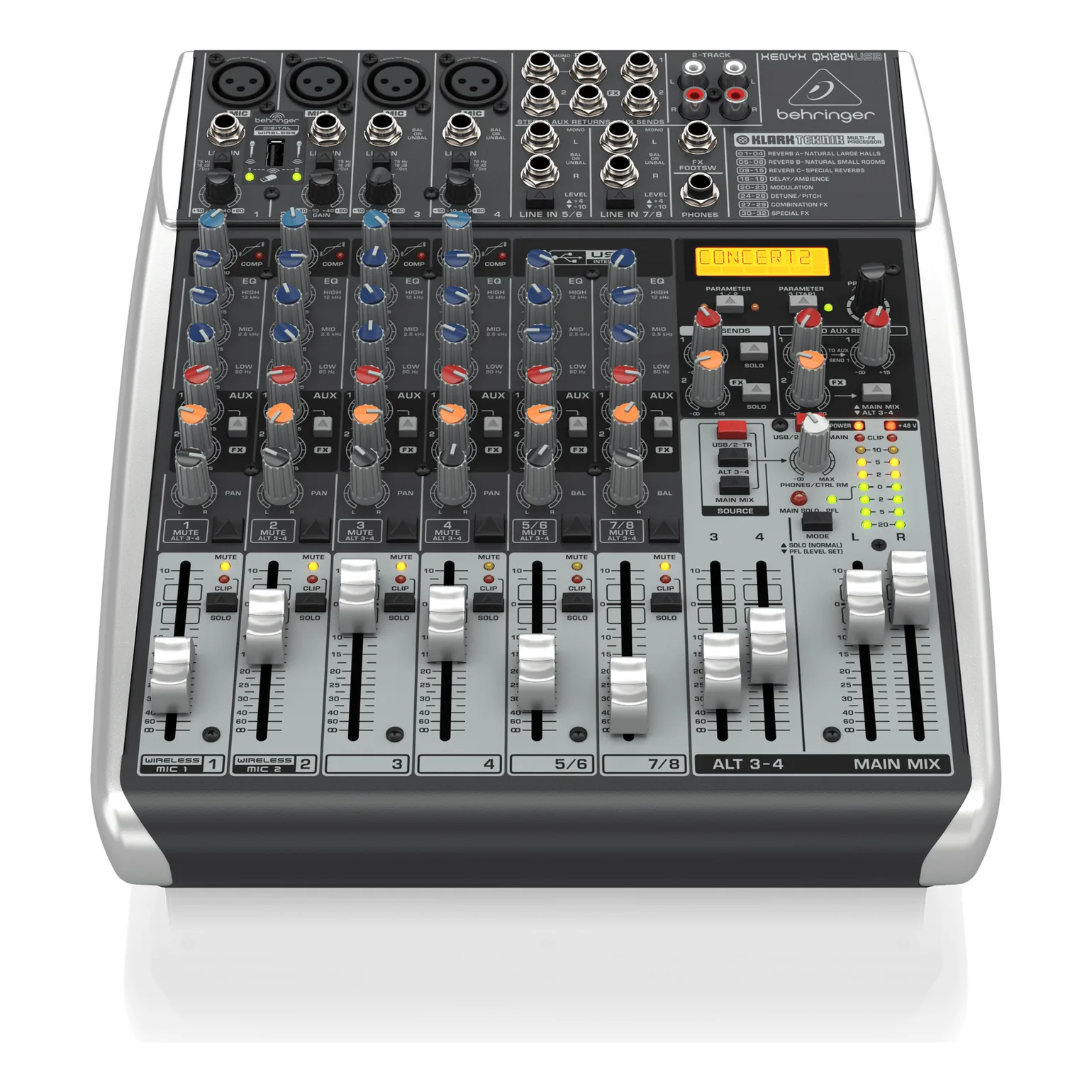
 คลิกเพื่อขยาย
BEHRINGER XENYX QX1204USB Analog Mixer
- ชนิด: มิกเซอร์อนาล็อก
- XENYX mic preamps: 4 mic inputs on balanced XLR connectors with a discrete input circuit and a gain range of +10 dB to +60 dB
- Mic preamp noise: E.I.N. of -134 dB (-136 dB A-weighted) at 0 Ω source resistance, measured 20 Hz to 20 kHz
- Phantom power: the PHANTOM switch supplies +48 V to the XLR connectors of the mono channels for condenser microphones
- One-knob compressor: each mono channel has a COMP knob, and the adjacent LED lights when the effect is engaged
🧾 ราคานี้เป็นราคากำหนดขายจากผู้ผลิต รวมภาษีมูลค่าเพิ่มแล้ว — ไม่มีการบวก VAT เพิ่มอีก
ราคาประเมินอุปกรณ์ ไม่รวมค่าติดตั้ง · ⚠️ กรุณารอยืนยันสต็อกสินค้าก่อนสั่งซื้อ
For the volunteer at the back of the room.
The band arrives early and the service starts within the hour. Whoever runs sound has that time to get every voice clear. The QX1204USB puts four XENYX mic preamps and built-in effects on one 2.9 kg desk.
Steady voices with one knob
Each mono channel has its own compressor. Turn COMP clockwise and loud peaks are squashed while quiet passages come up. A 3-band EQ with a 2.5 kHz mid and a low cut filter tidy each microphone. Switchable +48 V phantom power feeds condenser mics.
Monitors and effects from the same desk
On the QX1204USB, aux send 1 can be switched pre-fader to feed stage monitors. The FX send goes straight to the built-in multi-FX processor, designed by Klark Teknik. Its presets include reverbs, delays, chorus and flanger.
Record the service, add a wireless mic
USB sends the main mix to a computer. Audio from the computer joins the main mix with the 2-TR/USB TO MAIN button. A USB wireless input takes a receiver for up to 2 Behringer ULM microphones. Each channel uses one source at a time: wireless, XLR or ¼" input. No driver is required, though PC users are advised to install the ASIO driver.
Features
- XENYX mic preamps: 4 mic inputs on balanced XLR connectors with a discrete input circuit and a gain range of +10 dB to +60 dB
- Mic preamp noise: E.I.N. of -134 dB (-136 dB A-weighted) at 0 Ω source resistance, measured 20 Hz to 20 kHz
- Phantom power: the PHANTOM switch supplies +48 V to the XLR connectors of the mono channels for condenser microphones
- One-knob compressor: each mono channel has a COMP knob, and the adjacent LED lights when the effect is engaged
- 3-band EQ: shelving bands at 80 Hz and 12 kHz plus a 2.5 kHz peak mid on all mono channels, each with up to 15 dB boost or cut
- LOW CUT filter: a high-slope filter on the mono channels removes unwanted low-frequency signal components
- Line inputs: each mono input also has a balanced ¼" line input, used instead of the mic input, never both at once
- Wireless input: a USB receiver input takes signals from 2 independent Behringer ULM wireless mics
- Monitor send: on the QX1204USB, aux send 1 switches pre-fader with the PRE switch for setting up monitor mixes
- Klark Teknik multi-FX: the FX send feeds the built-in processor, with presets such as CHURCH, PLATE REVERB 1, ECHO, CHORUS, FLANGER and TALKBOX
- Effect editing: turn PROGRAM to scroll through the effects, then press PARAM 1/2 to edit parameter 1 and 2
- Channel SOLO: the QX1204USB SOLO switch routes a channel to the solo or PFL bus to monitor it without affecting the main output
- ALT 3-4 subgroup: the MUTE/ALT 3-4 switch diverts a channel from the main mix to the Alt 3-4 bus and its unbalanced ALT 3-4 outputs
- Stereo channels: two balanced ¼" line inputs per stereo channel, with a LEVEL switch for +4 dBu or -10 dBV
- USB audio: a Type B connector with stereo in/out, 16-bit converter and 48 kHz sample rate; the computer receives the main mix
- Main outputs: balanced XLR connectors carrying the MAIN MIX signal at a nominal level of +4 dBu
- 2-track connections: RCA 2-TRACK INPUT and a 2-TRACK OUTPUT carrying the main mix for a recording device
- Size and weight: 265 x 330 x 90 mm (W x D x H) and 2.9 kg
| Mic input type | XLR connector, balanced, discrete input circuit |
|---|---|
| Mic gain range | +10 dB to +60 dB |
| Mic max. input level | +12 dBu @ +10 dB gain |
| Mic input impedance | 2 kΩ balanced |
| Mic signal-to-noise ratio | 108 dB / 110 dB A-weighted (0 dBu In @ +22 dB gain) |
| Mic distortion (THD+N) | 0.005% / 0.004% A-weighted |
| Mono line input type | 1/4" TRS connector, balanced |
| Mono line input impedance | 20 kΩ balanced, 10 kΩ unbalanced |
| Mono line gain range | -10 dB to +40 dB |
| Mono line max. input level | 30 dBu |
| Stereo input type | 2 x 1/4" TRS connector, balanced |
| Stereo input impedance | 20 kΩ balanced, 10 kΩ unbalanced |
| Stereo input gain range | -20 dB to +20 dB |
| Stereo input max. input level | +22 dBu |
| 2-track input type | RCA connector |
| 2-track input impedance | 10 kΩ |
| 2-track max. input level | +22 dBu |
| AUX return type | 2 x 1/4" TRS connector, balanced |
| AUX return impedance | 20 kΩ balanced, 10 kΩ unbalanced |
| AUX return max. input level | +22 dBu |
| AUX send type | 2 x 1/4" TRS connector, balanced |
| AUX send impedance | 120 Ω |
| AUX send max. output level | +22 dBu |
| Main output type | XLR connector, balanced |
| Main output impedance | 240 Ω balanced, 120 Ω unbalanced |
| Main output max. output level | +28 dBu |
| Control room output type | 1/4" TRS connector, balanced |
| Control room output impedance | 120 Ω |
| Control room max. output level | +22 dBu |
| Phones output type | 1/4" TRS connector, unbalanced |
| Phones output impedance | 25 Ω |
| Phones max. output level | +21 dBu / 150 Ω (+25 dBm) |
| 2-track output type | RCA connector |
| 2-track output impedance | 1 kΩ |
| 2-track max. output level | +22 dBu |
| EQ mid | 2.5 kHz / ±15 dB |
| EQ high | 12 kHz / ±15 dB |
| DSP | Klark Teknik |
| Converter | 24-bit Sigma-Delta, 64/128-times oversampling |
| Sampling rate | 40 kHz |
| USB connector | Type B |
| USB audio | Stereo in/out |
| USB sample rate | 48 kHz |
| Phantom power | Switchable, +48 V |
| Mains voltage | 100 to 240 V~, 50/60 Hz |
| Mains connector | Standard IEC receptacle |
| Ref. Code | TCR-L5SMFV |
คู่มือ (Manual)
อุปกรณ์ที่ใช้งานร่วมกัน
เพิ่มความสมบูรณ์ให้ระบบ — กด “เพิ่มลงใบเสนอราคา” ได้ทันที